
Blog
For every local business.
How ChatGPT, Gemini, Claude, Perplexity, and Google decide which nearby business to name. The notes below are for owners. The category guides are the questions a customer actually asks.
How an assistant decides
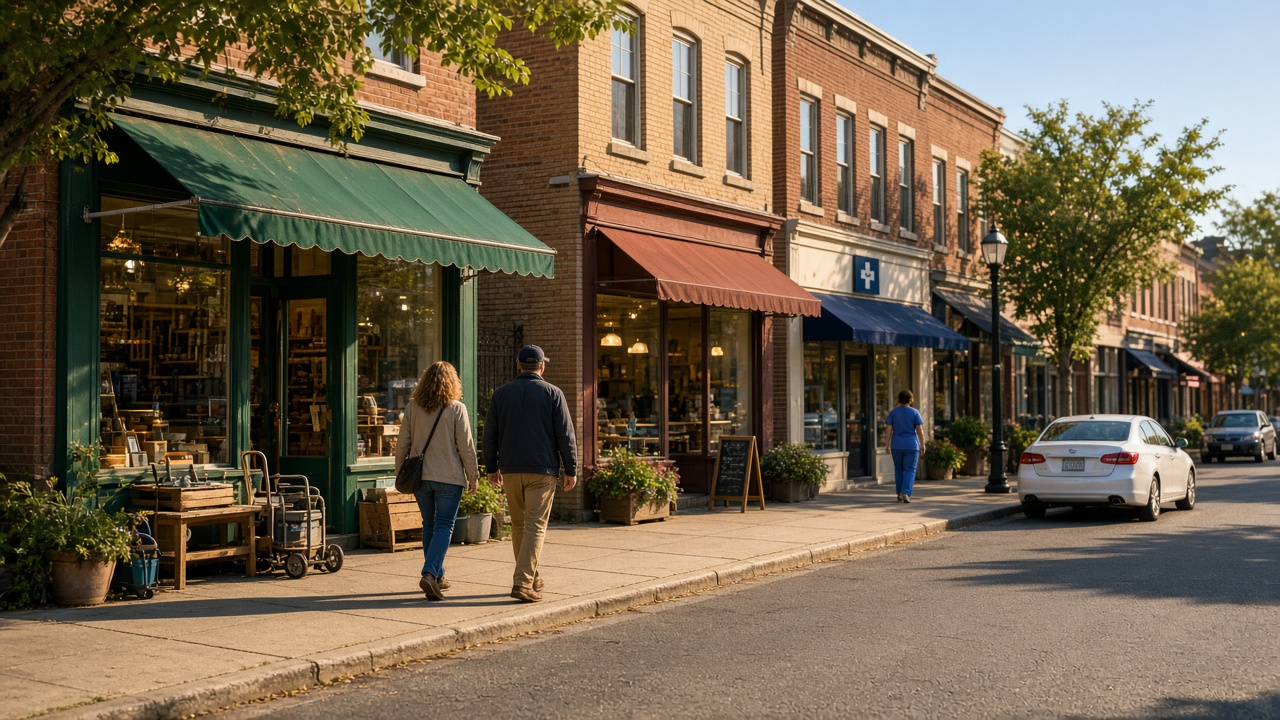
When they ask ChatGPT who to use nearby
Someone nearby opens ChatGPT and asks who to call. One business gets named. That only happens when the record ChatGPT can read is complete, current, and the same everywhere.

The record Gemini and Google read
Gemini and Google’s AI answers do not keep a private file on your business. They read the public record: your profile, your listings, and the pages that describe what you actually do.

What Claude needs before it names you
Claude will name a local business when it can point to a reason. Consistent facts, recent proof, and a clear description of the work. It will not invent that reason for you.

Citations that agree, everywhere they look
A citation is a place on the web that states your business facts. When those places disagree, assistants hesitate. When they agree, your business is easier to name.
By category

When they ask AI where to eat nearby
Dinner questions are specific. People ask which Italian place can seat six at 7, who is still serving after a game, and where a gluten-free order will not be a surprise. A listing that only says restaurant gives an assistant nothing to quote.

When they ask AI which cafe to work from
People ask which cafe opens before work, which one will not glare at a laptop, and which one still has a table at 8. The answer is a name plus a reason. If your hours and seating rules are vague, another cafe gets the sentence.

When they ask AI which bar is nearby
People ask for a bar the way they ask a friend: somewhere to watch the game, somewhere quiet enough to talk, somewhere with food after 10, somewhere that is not a club. If your listing is only a name and a pin, the assistant picks the place it can describe.

When they ask AI where to stay nearby
A stay is a set of constraints. Parking, breakfast, a pet, a late arrival, a wedding downtown, or a room that is quiet. Independent hotels lose the answer when the public record sounds like a chain slogan and never states the practical facts.

When they ask AI which dentist to call
People ask for a dentist when something hurts, when a child needs a first visit, or when they just moved and need someone who takes their plan. The assistant looks for an office it can describe, not a logo.

When they ask AI which doctor is nearby
People ask which doctor is accepting new patients, who can see them this week, and who handles a specific problem without a month of waiting. A clinic page that never answers those questions will not be the one an assistant repeats.
When they ask AI for a chiropractor nearby
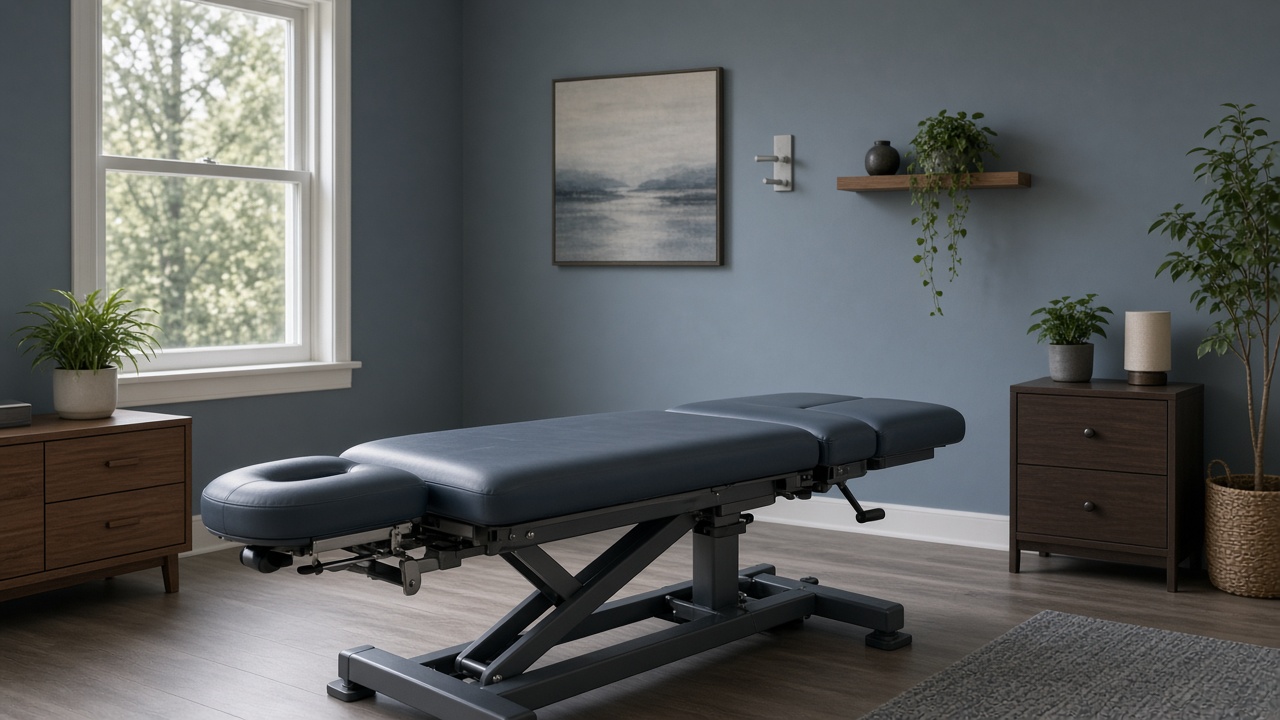
People ask for a chiropractor after a weekend injury, a car accident, or years of a desk. They want to know if you see new patients this week, if you take their plan, and if the visit is only an adjustment or a longer workup.
When they ask AI which vet to use
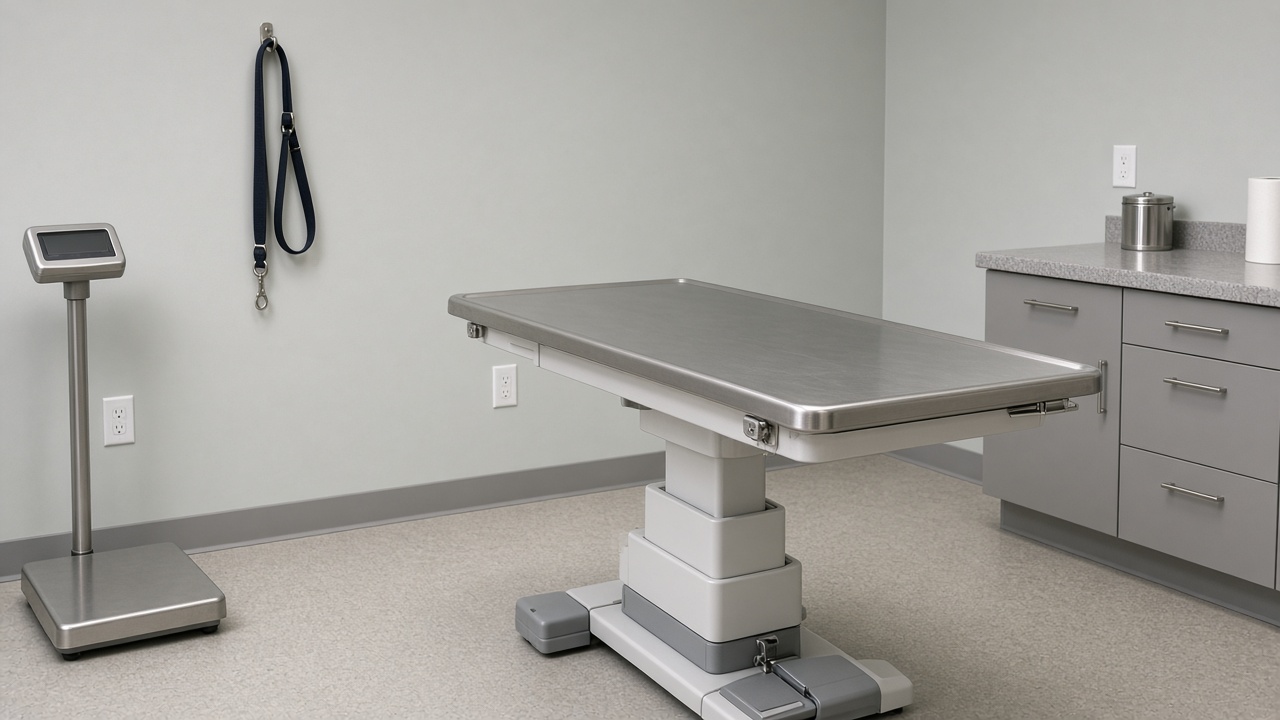
Pet owners ask who can see a dog today, who treats cats only, and who is open when the regular clinic is dark. If your record does not say species, hours, and urgent rules, the assistant names the clinic that does.

When they ask AI which gym is nearby
People ask for a gym they can try this week, a place with childcare, a room that is open before work, or a class schedule that is not a bodybuilding floor. If you do not say which of those you are, you will not be the name in the answer.

When they ask AI which salon to book
People do not ask for a salon in the abstract. They ask who does color, who will cut a child’s hair, who takes a walk-in before a wedding, and who is open after work. If your page says beauty and stops, another chair gets named.

When they ask AI for a barber nearby
People ask for a barber who takes walk-ins, who cuts kids, or who can do a beard and a fade before an event. A shop that looks like a salon in its listings will be skipped by the person who wanted a barber, and the reverse is also true.

When they ask AI which spa to book
People ask for a massage this weekend, a couples booking, a prenatal session, or a facial before an event. They want the length, the price range, and whether a license is behind the table. A page of calm language does not answer that.

When they ask AI who can fix the car
People ask who can look at a check-engine light today, who works on a particular make, and who will not keep the car all week. A shop named only as auto repair is hard to choose and easy to pass over.

When they ask AI who to call for a plumber
The call is a leak, a water heater, a clogged line, or a remodel rough-in. People ask who comes today, who is licensed, and who actually serves their town. A plumber with a thin listing loses that sentence to a company the assistant can describe.

When they ask AI for an electrician nearby
People ask who can replace a panel, install a charger, or come out because half the house is dark. They ask about licenses and permits. If your listing could belong to a handyman, the assistant will look for a clearer electrician.
When they ask AI who can fix the heat or the AC
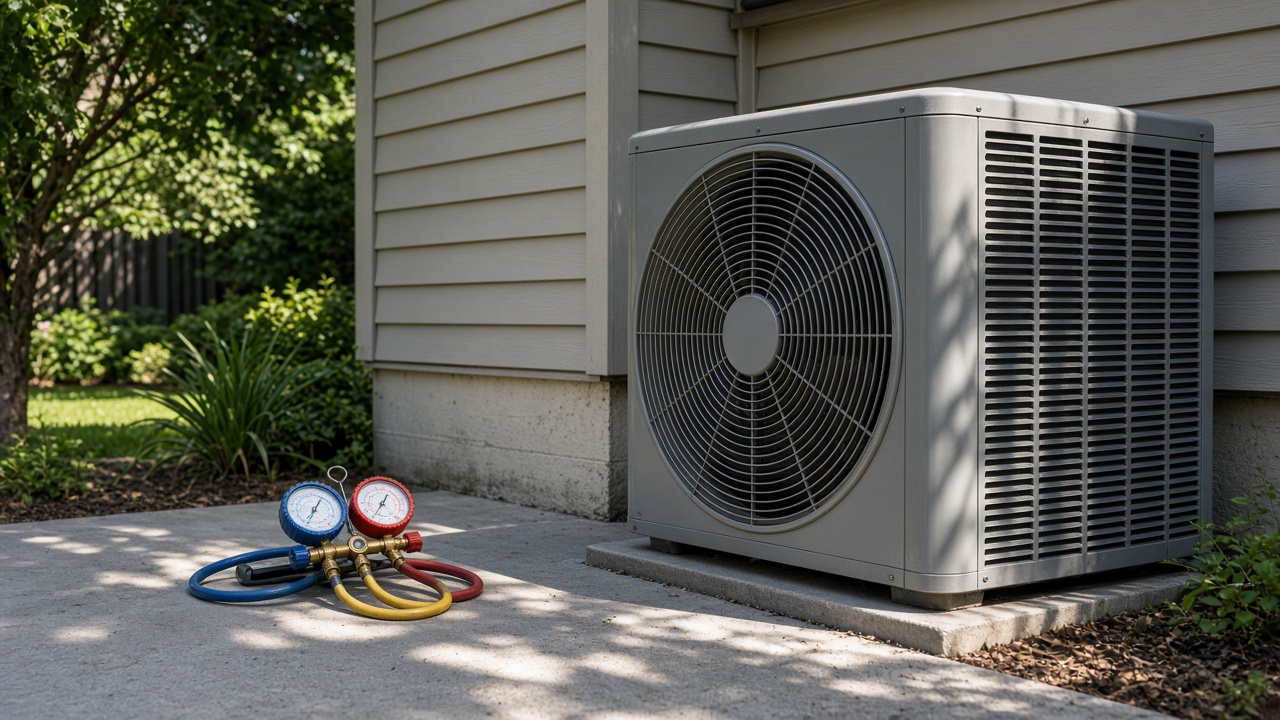
The question shows up when the house is hot or cold. People ask who can come today, who services their brand of equipment, and who will replace a system rather than only recharge it. A generic comfort slogan does not answer.

When they ask AI who should look at the roof
People ask after a leak, a storm, or a sale that flagged the roof. They want a local company that can say what it installs, whether it inspects for insurance, and how soon someone can get on the roof. A statewide lead form with no crew is a weak answer.

When they ask AI who maintains the yard
People ask for weekly mowing, a one-time cleanup, a patio, or someone who can fix a sprinkler zone. Those are different crews. An assistant will name the company whose page separates them.

When they ask AI who will clean the house
People ask for a recurring cleaner, a move-out clean before a walkthrough, or someone who brings supplies and is insured. A listing that says we clean homes does not say which of those you do, or which towns you drive to.
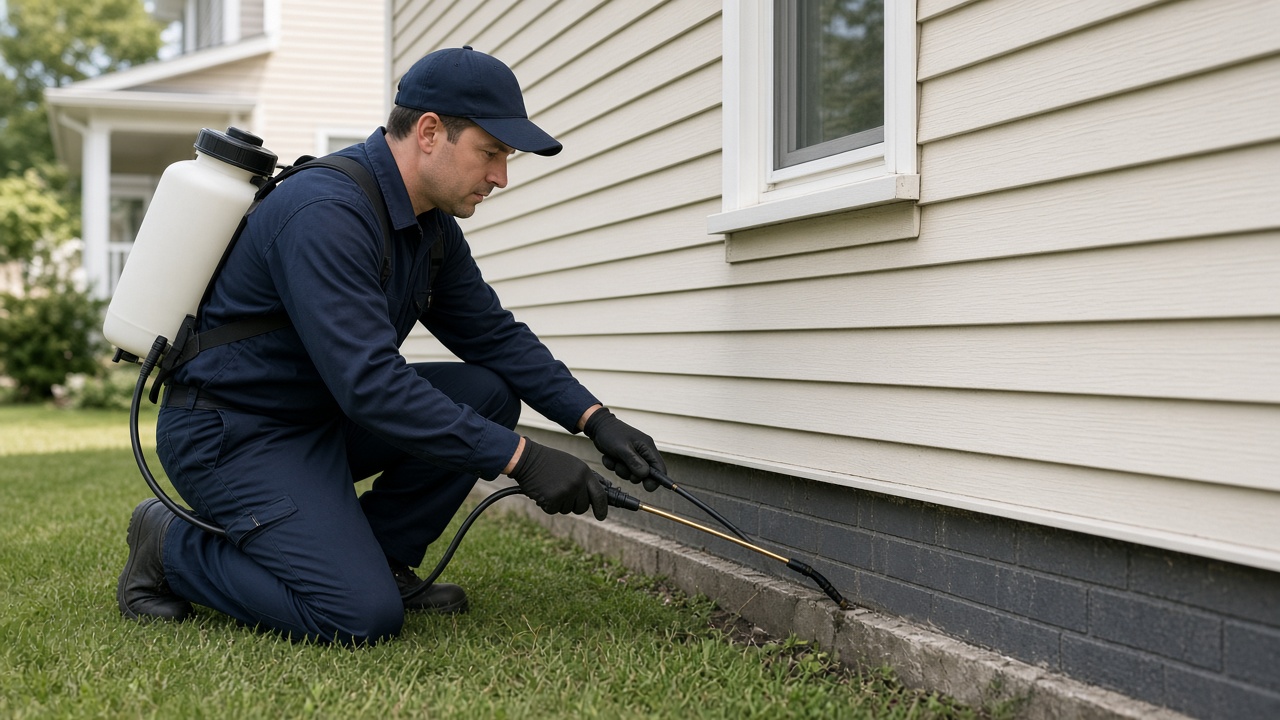
When they ask AI who can deal with pests
People ask about ants in the kitchen, termites before a sale, wasps under an eave, or rodents in a rental. They ask if kids and pets can stay home. A company that never names the pest will not be the careful answer.

When they ask AI which agent to call
People ask who knows a specific neighborhood, who helps first-time buyers, and who will list a house that needs work. An agent page that is only a headshot and a slogan is hard for an assistant to recommend.
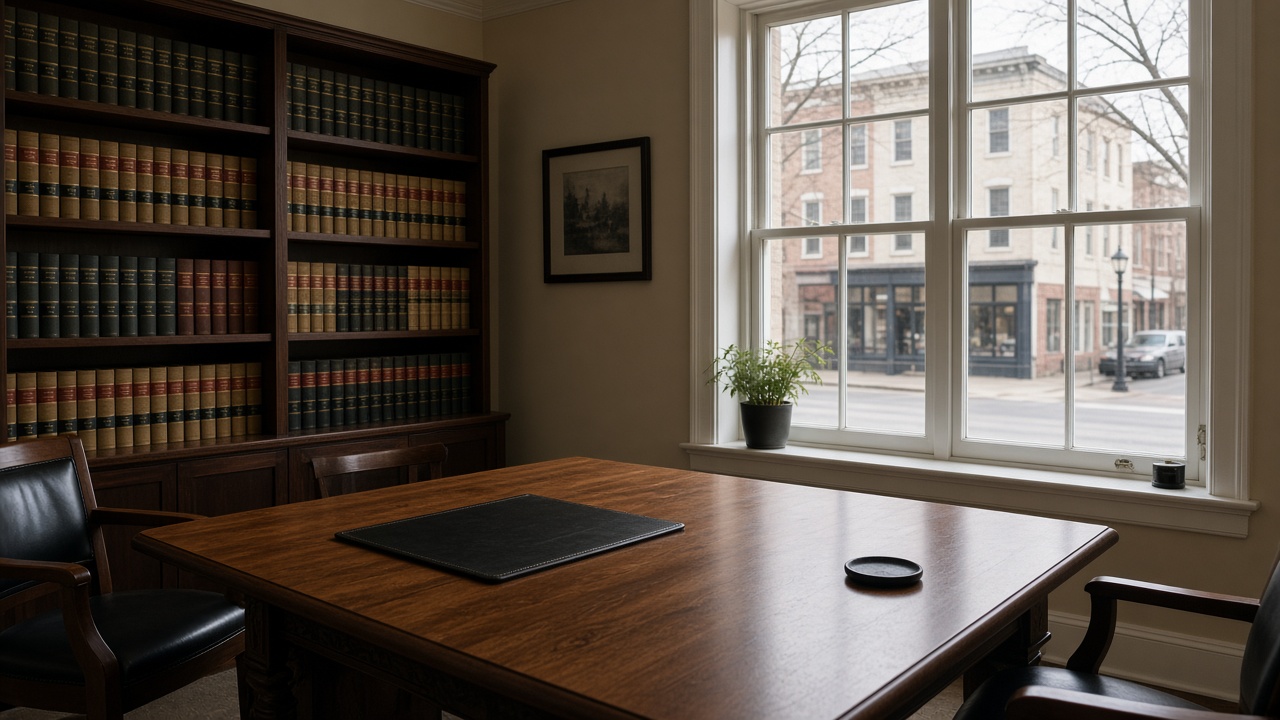
When they ask AI which local lawyer to call
People ask for a lawyer for a divorce, a charge, a wreck, a will, or a small business contract. They ask who practices in that county and whether a consultation is free. A firm that lists every area of law is harder to trust than one that is specific.

When they ask AI who should do the taxes
People ask for a CPA before April, a bookkeeper for a shop, or someone who understands a rental property. They ask who is taking new clients this season. A firm that says financial services and stops will not be the name.

When they ask AI for a local insurance agent
People ask for an agent in town who can write a home and auto policy, explain a claim, or cover a small shop. They are not asking for a national logo. They are asking who will pick up the phone on their street.

When they ask AI which daycare has a spot
Parents ask who has an opening for a toddler, who is open early enough for a shift, and who is licensed. A cheerful homepage that never states ages or hours will not be the center an assistant can recommend.
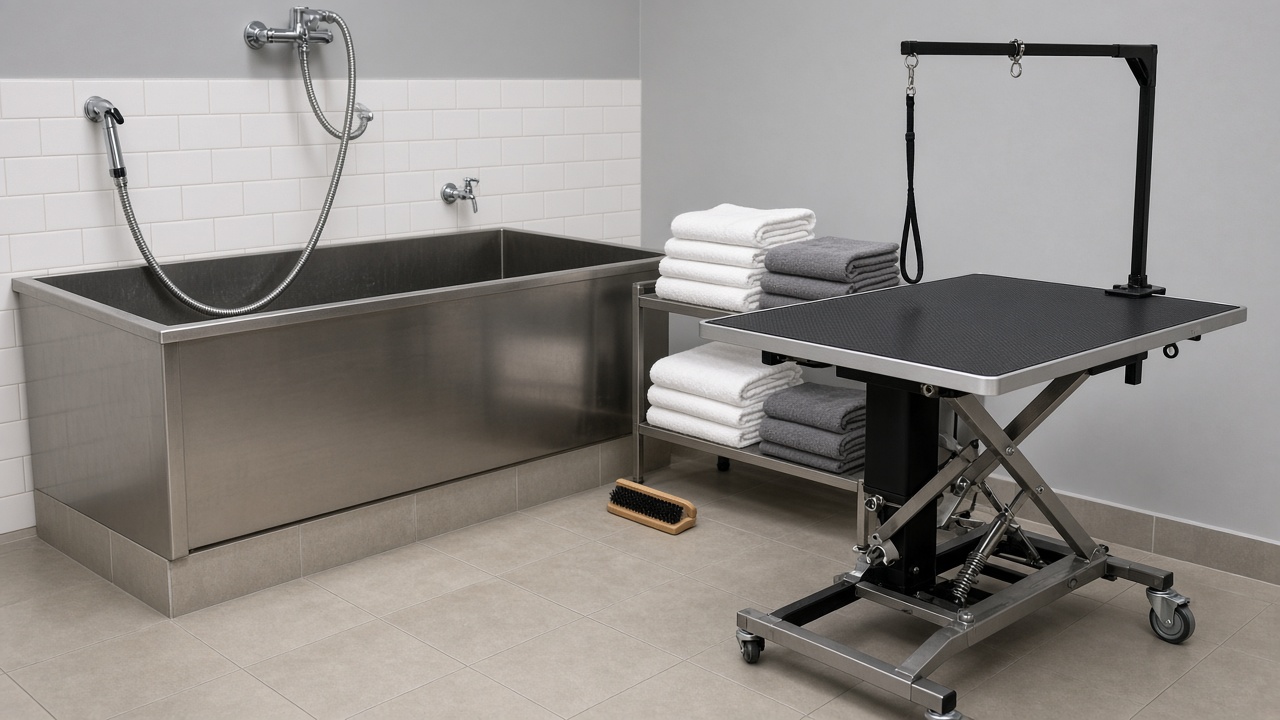
When they ask AI who grooms dogs nearby
Owners ask who will groom a doodle, who handles a senior dog, and who comes to the house. They ask about a first appointment and how long it takes. A listing that only says pet grooming leaves the assistant to guess.

When they ask AI which local shop to try
People ask where to buy a gift, a part, or a thing they would rather not order blind. They ask who is open Sunday and who can tell them if the item is in the store today. A shop with no inventory language is invisible next to one that states what is on the shelf.

When they ask AI which pharmacy is nearby
People ask who is open late, who delivers, who gives a vaccine without an appointment, and who can fill a prescription tonight. A pharmacy that hides those facts behind a brand line will lose the answer to a clearer counter.

When they ask AI where to go for urgent care
People ask where to go for a sprain, a fever, or a cut when their doctor is closed. They ask if you have X-ray, what the wait is like, and whether a child can be seen. If you sound like an ER or a primary clinic, the assistant has to guess.
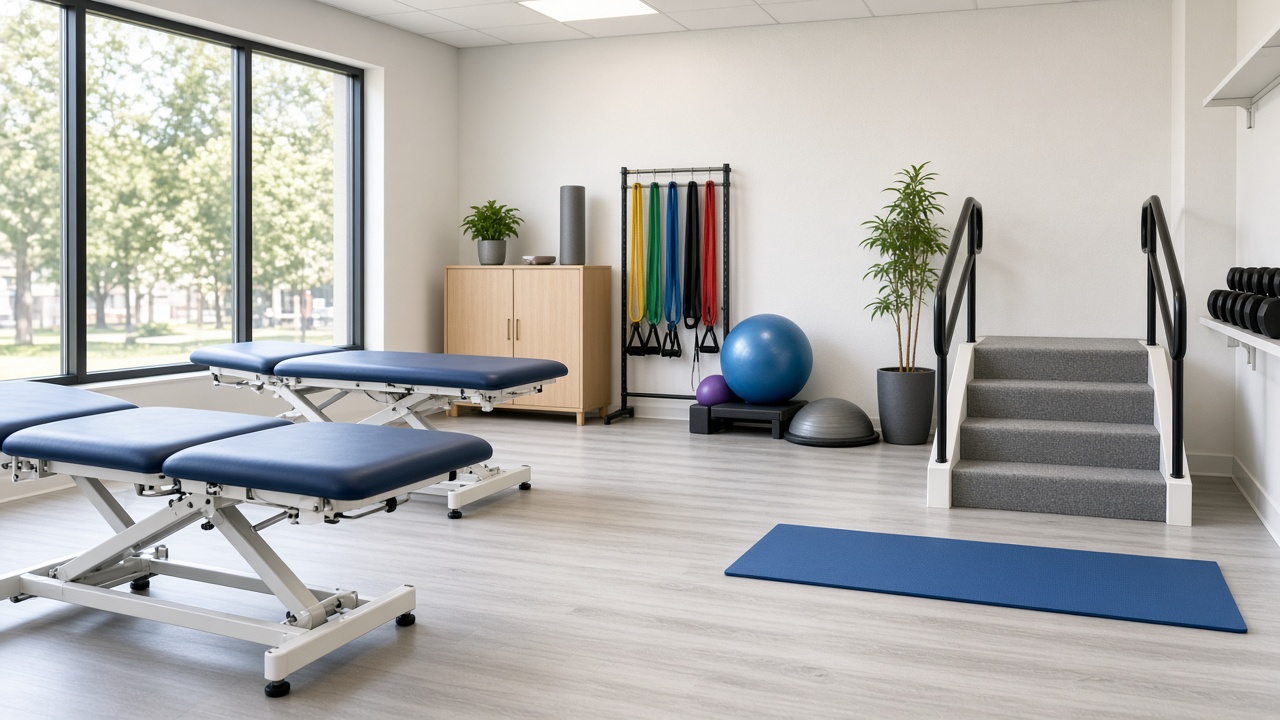
When they ask AI for physical therapy nearby
People ask for therapy after surgery, for a sports injury, or for a balance problem. They ask if they need a referral, if you take their plan, and if evening visits exist. A clinic that only says rehab is easy to skip.

When they ask AI which med spa to visit
People ask who does injectables, who is a nurse or a doctor, and what a consult includes. They are not asking for a massage. If your record reads like a day spa, you will be recommended for the wrong visit, or not recommended at all.

When they ask AI who should inspect the house
Buyers ask who can inspect before a deadline, what is included, and whether a sewer scope or radon test is extra. An inspector with a vague site loses the job to someone whose next opening and scope are written down.

When they ask AI who can move them
People ask who can move a two-bedroom apartment on a Saturday, who packs, and who is licensed for a move across state lines. A truck photo with no scope is not enough for an assistant to recommend.

When they ask AI who should paint the house
People ask for an interior crew that can work around furniture, an exterior crew before a sale, or a cabinet refinish. They ask about lead paint in an older house. A painter listed only as home services will not be the specific name.

When they ask AI who should do the floors
People ask who installs hardwood, who can replace a failed vinyl floor, or who will look at a soft spot before new boards go down. A company that says flooring and never names a material is hard to recommend.

When they ask AI who replaces windows and doors
People ask who can replace a rotten sash, who installs an entry door, and who repairs a window that will not lock. They ask about energy, lead times, and whether you manufacture or install. If those are blurred, another company gets named.

When they ask AI who takes care of the pool
People ask who will open the pool, who can clear a green pool, and who repairs a pump. Weekly chemistry and a renovation are not the same company unless you truly do both. The assistant needs that split in writing.
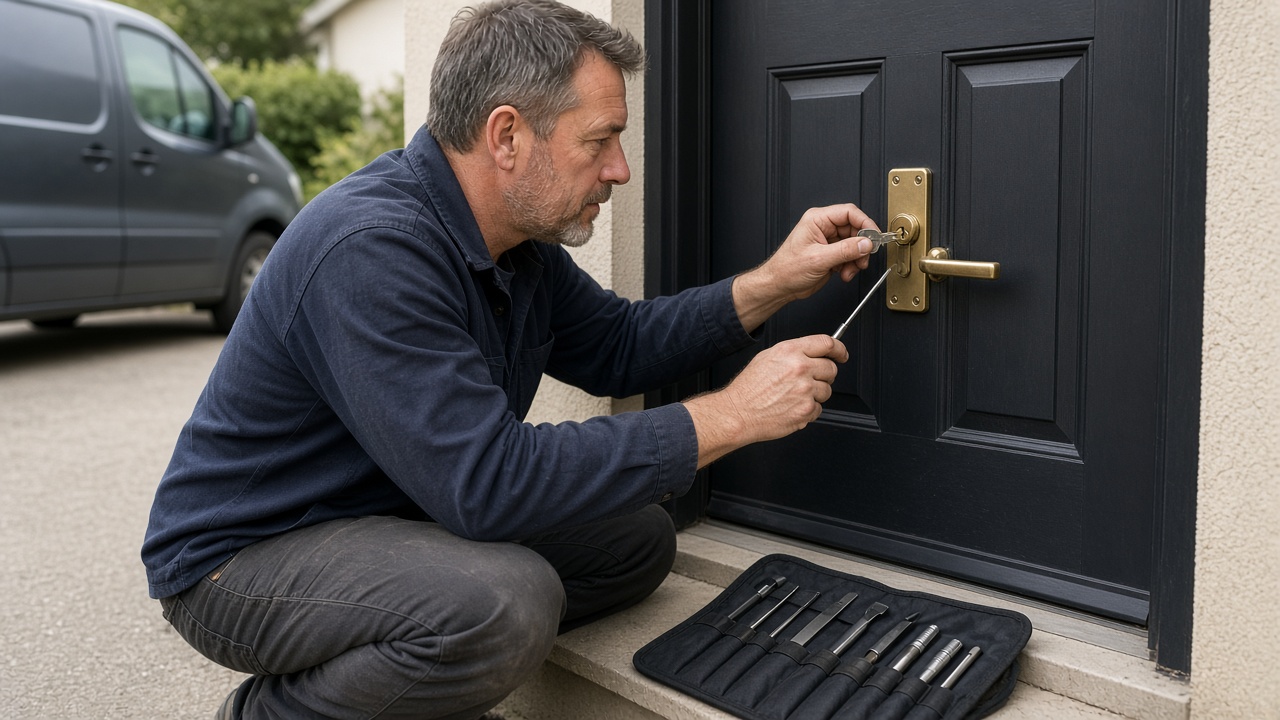
When they ask AI for a locksmith right now
People ask who can open a house, a car, or an office without breaking the door, and how fast they can arrive. They are often standing outside. A listing that hides the service area or pretends to be local when the truck is an hour away will not be trusted twice.

When they ask AI who can tow the car
People ask for a tow when the car will not move. They ask who runs a flatbed, who can take a low car, and who is actually nearby. A listing that says 24 hours and then does not answer will be the wrong recommendation.
When they ask AI which car wash to use
People ask for a wash that is open now, a place that will do an interior, or a tunnel that can take a truck. They ask about memberships and whether they need an appointment. If your hours are wrong, you will be named at the wrong time.

When they ask AI for a dry cleaner nearby
People ask who can turn a shirt around today, who alters a hem, and who will handle a wedding dress. They ask about Saturday hours and pickup. A cleaner that only says quality garments gives the assistant no way to choose.

When they ask AI who can deliver flowers
People ask who can deliver today, who does funeral flowers, and who can handle a wedding without a national wire service in the middle. The town, the cutoff time, and the kind of order decide the name.

When they ask AI which bakery to order from
People ask who can make a cake for Saturday, who has bread in the morning, and who can do a gluten-free order. They ask about pickup time and flavor. A bakery that never states the lead time will be skipped for one that does.

When they ask AI who can cater the event
People ask who can feed forty at an office, a wedding, or a backyard. They ask about drop-off, staff, rentals, and a vegetarian tray. A restaurant that never says it caters will not be named, and a caterer with no minimum will be recommended for the wrong party.

When they ask AI which wedding venue is nearby
Couples ask how many people fit, whether they can bring their own caterer, and what the rain plan is. They ask about hotels nearby and a date next spring. A venue page that only says magical will not be the one an assistant can compare.

When they ask AI for a photographer nearby
People ask for a wedding photographer who still has a Saturday, a family session, or a headshot. They ask what is included and how long until they see photos. A portfolio with no scope is a gallery, not an answer.

When they ask AI for a tutor nearby
Parents ask for algebra help, reading for a third grader, or a test prep seat before a deadline. They ask whether you come to the house or they drive to a center. A tutoring brand that never names a subject will not be the recommendation.

When they ask AI for martial arts nearby
Parents ask which school takes six-year-olds, which style you teach, and whether a trial class exists. Adults ask about a beginner schedule that is not only after-school kids. If the style is missing, the assistant cannot tell you from the gym next door.

When they ask AI for a yoga studio nearby
People ask for a beginner class, a hot room, a prenatal class, or a studio they can try once without a membership. They ask what to bring and whether the class is gentle. A studio that only says find your practice will not be named over one that states the room.

When they ask AI about senior care nearby
Families ask for in-home help a few hours a week, a community with memory care, or a ride to appointments. Those are different licenses and different buildings. An assistant needs the distinction before it names you.

When they ask AI which funeral home to call
People ask who to call tonight, who can hold a service in a particular tradition, and who offers cremation as well as burial. They are not shopping a slogan. They need a local home whose facts are clear and calm.

When they ask AI for storage nearby
People ask for a unit this weekend, climate control for a sofa, or a place to park a trailer. They ask about gate hours and the smallest unit that will work. A facility that only says storage leaves the size and the access unstated.
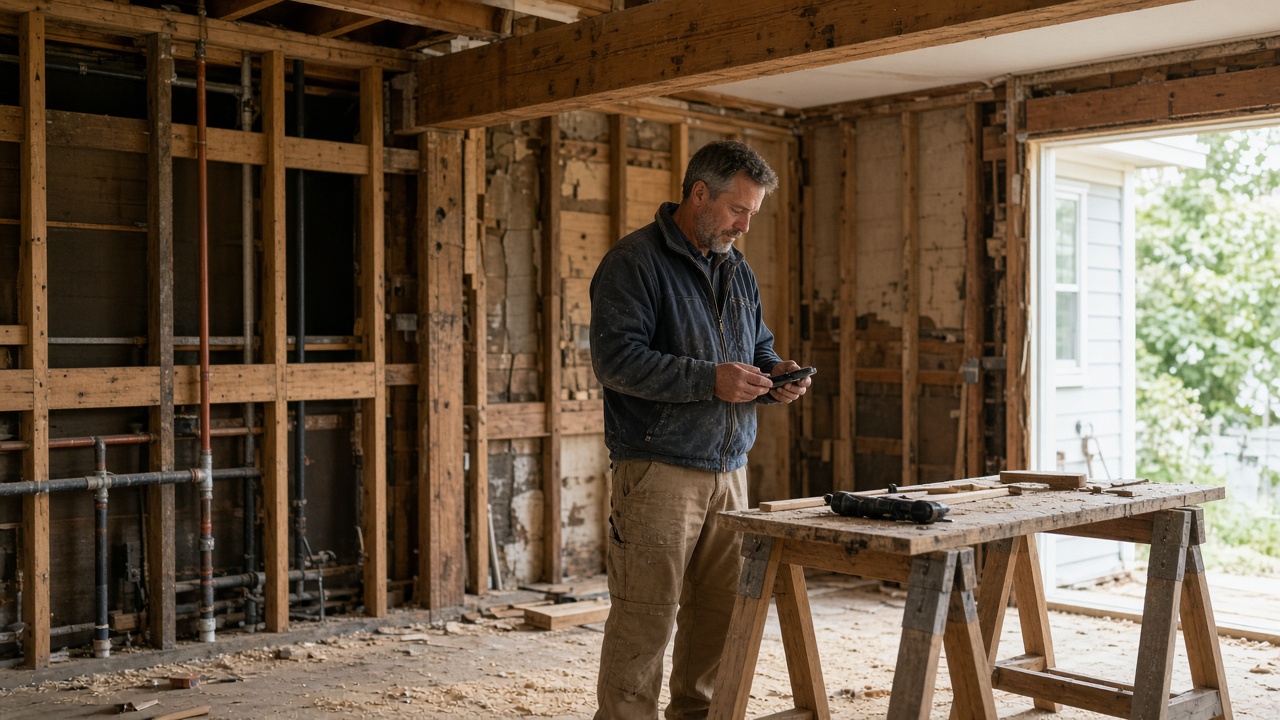
When they ask AI for a general contractor
People ask who can run a kitchen remodel, an addition, or a bathroom, and who pulls the permit. They are not asking for every trade at once. A contractor who lists every possible project will be harder to name than one who states the work.
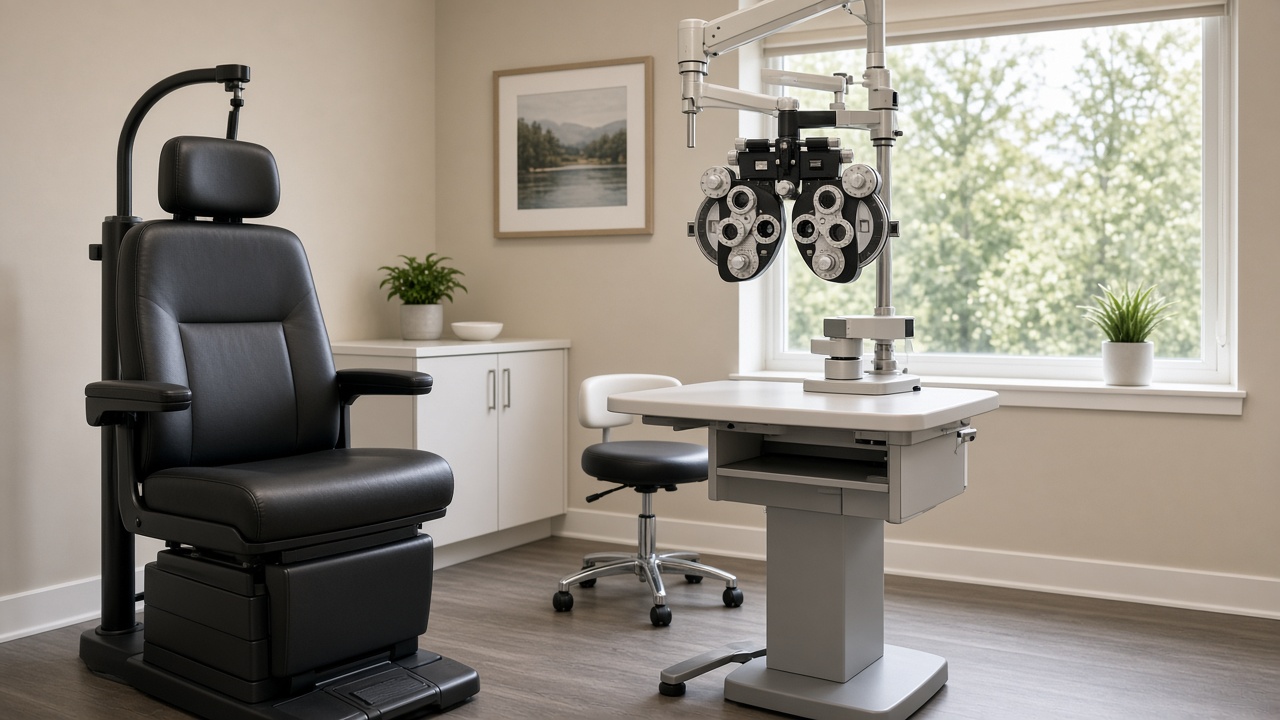
When they ask AI for an eye doctor nearby
People ask for an eye exam, a place that takes their vision plan, or someone who can see a child. They ask if they can get glasses there and whether a red eye can be seen today. An office that sounds like a general clinic will be passed over for one that says eyes.